The Earth’s Energy Budget: Why the Balance Matters
In this blog, I will talk about Earth's systems and the energy budget.
1/1/20262 min read
To understand our planet, we must stop viewing it as a collection of separate parts and start seeing it as a complex, integrated system. As someone who prioritizes data analysis and system-level thinking, I believe Earth’s energy balance is the most important sustainability issue
Earth’s energy imbalance is the difference between the solar energy it receives from the sun and the thermal radiation it sends back into space. According to NASA, this imbalance nearly doubled between 2009 and 2019, primarily due to greenhouse gases, and has serious implications for our climate and sustainability. To better understand heat trapping, we must understand the four pillars of Earth System Science:
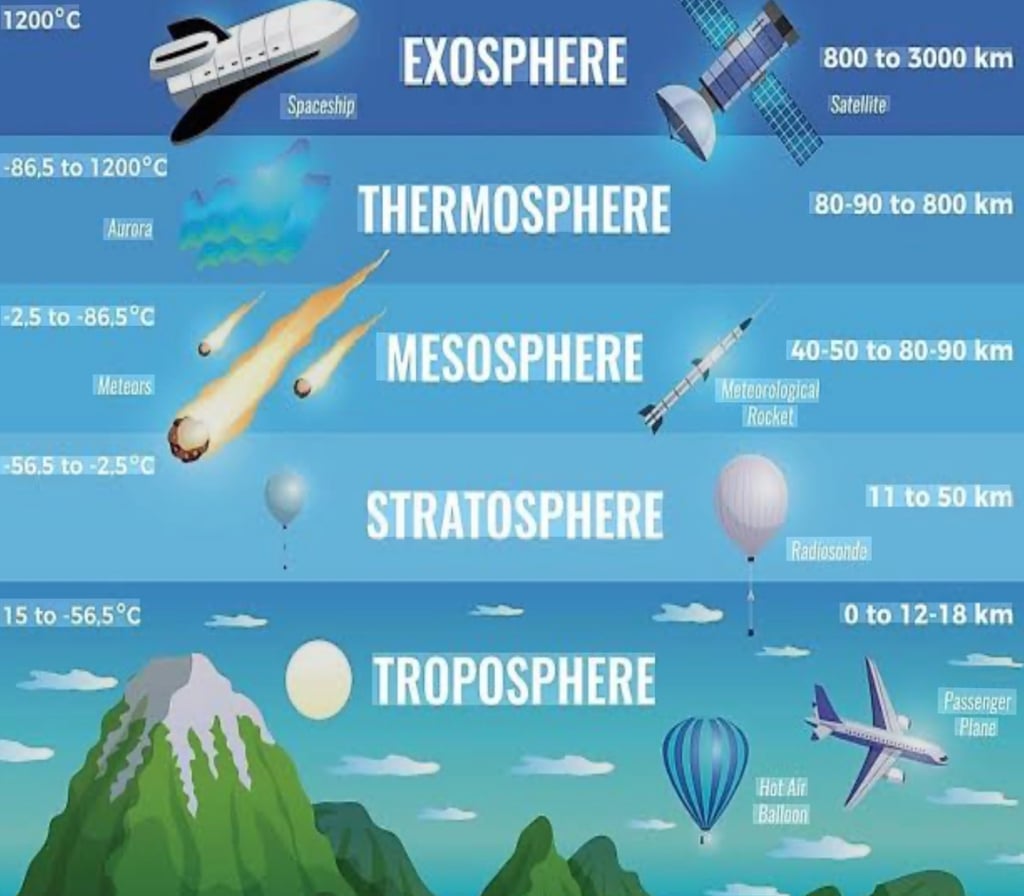
1) The Atmosphere, which consists of troposphere, stratosphere, mesosphere, thermosphere, and exosphere, contains our weather, houses the ozone layer, and traps the greenhouse gases, which block heat from escaping and create positive feedback loops, causing environmental disasters.
2) The Hydrosphere is made of oceans, rivers, ice, and groundwater. Oceans are the planet’s thermal regulators, absorbing over 90% of excess heat. They act as a “global conveyor belt” (thermohaline circulation). Warm, less-dense water moves from the equator to the poles, while cold, salty water sinks and returns to the surface. If melting ice caps dump freshwater into the North Atlantic, it reduces salinity, potentially stalling this belt and disrupting global climates.
3) The Geosphere: even the solid Earth plays a role. Large volcanic eruptions can inject sulfur dioxide into the atmosphere, creating aerosols that reflect sunlight and causing temporary natural cooling. The cooling effect from geospheric events can persist for years, with unintended consequences for humanity.
4) The Biosphere: This is Earth’s natural recycling system. Through the carbon cycle, forests act as carbon sinks, storing CO2 in organic matter. However, this system is under stress, which many scientists believe contributed to the “Sixth Mass Extinction”, where species are disappearing up to 10,000 times faster than the natural background rate.
Why do data collections and analysis of these systems matter?
These systems interact and are interdependent; our sustainability is directly dependent on their health. They have inputs that give us their outputs. Understanding the feedback loops – such as melting ice creating darker, heat-absorbing oceans – is crucial for translational research. By applying AI and system control to these models, we can move from merely observing the crisis to engineering enterprise-level solutions.
Earth is in a delicate balance. Our goal is to use data-driven insights to ensure the energy budget returns to equilibrium, preserving the sublime beauty of our only home.